
Reports
ATEX Ratings Explained: Safety, Zones, and Device Standards for Explosive Atmospheres

Aug
ATEX Ratings Explained
This guide provides ATEX ratings explained in practical terms to help you understand zone classifications, equipment compliance, and safety standards. The ATEX 2014/34/EU directive (source) governs the design, certification, and compliance of explosion-proof systems. The ATEX 1999/92/EC directive (source) focuses on workplace safety, risk assessment, and hazardous environments.
These regulations ensure that companies handling flammable gases, vapors, mists, and dust comply with strict safety requirements to protect workers, assets, and operations. ATEX ratings further classify solutions by zone compatibility, temperature classes, gas and dust groups, and protection levels, ensuring a structured approach to explosion prevention and device suitability.
The ATEX directives ensure that:
- Systems are rigorously tested and certified to prevent ignition risks.
- Manufacturers adhere to harmonized standards, enabling safe designs.
- Operators can trust ATEX-certified pumps, tools, and ATEX-rated equipment for their ability to function safely in hazardous zones and normal operating conditions.
Without such directives, inconsistencies in safety regulations could lead to substandard products, increasing the risk of potential explosions and injuries in hazardous workplaces.
What Are ATEX Ratings?

The ATEX rating originates from the French term “ATmosphères EXplosibles” and is a European Union directive ensuring the safety of systems used in potentially explosive environments. It applies to both electrical and mechanical devices, mandating that they are designed to prevent ignition sources such as sparks, overheating, or static electricity. This certification is critical for industries like oil and gas, chemical plants, pharmaceuticals, mining, and food & beverage, where flammable substances or explosive materials are present.
ATEX ratings provide a standardized framework for identifying products suitable for use in explosive atmospheres, ensuring compliance with safety regulations and minimizing potential hazards of ignition or explosion.
Key Components of ATEX Compliance
To better understand how explosive risks are minimized in industrial environments, here are the core elements of ATEX ratings explained:
- Workplace Safety: ATEX not only governs the design of equipment, but also emphasizes the need for a hazard-free workplace and a safe working environment. It requires employers to:
- Conduct risk assessments and identify potential hazards.
- Use certified ATEX-rated equipment tested to IEC 60079 standards.
- Train workers to handle hazardous substances safely using Personal Protection Equipment (PPE) and follow safety precautions.
- Ensure that only trained personnel operate and maintain ATEX-rated equipment.
- Intrinsically Safe Equipment: Devices classified under ATEX must be intrinsically safe, meaning they are designed to prevent sparking, overheating, or any other ignition sources. Methods include:
- Flameproof Enclosures (Ex d marking): To contain potential explosions.
- Intrinsically Safe Circuits (Ex i marking): Ensuring energy levels in circuits are too low to ignite an explosion.
- Increased safety techniques (Ex e marking)
- Certification: All ATEX-compliant equipment must pass rigorous testing. These certified solutions are tailored to meet specific environmental conditions, such as gas group or dust group classification, and help prevent costly incidents. Markings indicate:
- The gas group or dust group for which it is certified
- The temperature class (T1-T6) that it can withstand without igniting.
- The category and applicable hazardous zone (Zone 0, 1, 2 for gas; Zone 20, 21, 22 for dust)
- This product classification ensures proper use of devices in explosive environments.
ATEX Directives
The ATEX directives are European Union regulations designed to ensure safety in environments where explosive atmospheres may occur. They address both equipment used in such environments and workplace practices.
Directive 2014/34/EU: The ATEX “Equipment” Directive
- Purpose: This directive governs the design, manufacturing, and certification of equipment and protective systems intended for use in potentially explosive atmospheres.
- Scope:
- Applies to both electrical and mechanical equipment.
- Covers equipment used in industries like oil and gas, chemicals, pharmaceuticals, mining, and food & beverage.
- Key Requirements:
- Equipment must meet essential health and safety requirements to prevent ignition sources such as sparks, overheating, or static discharge
- Manufacturers must undergo conformity assessments to ensure compliance. This process may include submitting technical documentation in the form of test reports, risk assessments, and quality assurance procedures.
- Products must bear the CE marking to indicate conformity with EU standards, and proper installation is equally critical. This CE mark also demonstrates the manufacturer’s adherence to safety regulations, ensuring that the equipment meets the required protection standards for explosive atmospheres.
Directive 1999/92/EC: The ATEX “Workplace” Directive
- Purpose: This directive focuses on the safety and health protection of workers potentially at risk from explosive atmospheres.
- Scope:
- Applies to employers and workplace practices.
- Covers industries where explosive atmospheres may occur due to flammable gases, vapors, mists, or dusts.
- Key Requirements:
- Employers must conduct risk assessments to identify and evaluate explosion hazards.
- Implement measures to prevent and protect against explosions, such as using ATEX-rated equipment and ensuring proper ventilation. These measures often include the use of certified lighting fixtures designed to operate safely in zones with flammable gases or dusts.
- Prepare an Explosion Protection Document outlining safety measures and risk assessments.
- Train personnel on safety protocols and the proper use of safe equipment. Training is essential for maintaining a safe working environment, especially in zones where explosive atmospheres may arise unexpectedly.
For equipment intended for global use beyond Europe, IECEx certification may also apply. It offers a harmonized international framework similar to ATEX. Visit the IECEx official website for more information. ATEX and IECEx standards ensure equipment can be safely used in regulated locations across Europe and other international markets.
Explosion Protection Symbol  in ATEX Ratings
 in ATEX Ratings
The Explosion Protection Symbol (Ex) is an internationally recognized indicator used in ATEX ratings to identify equipment suitable for use in explosive atmospheres. This symbol signifies that the equipment meets specific design standards and protection methods to prevent ignition in hazardous environments. It’s a key part of the ATEX marking code and provides assurance of adherence to safety regulations.
Equipment Groups and Safety Categories in ATEX Ratings
The ATEX rating system includes equipment groups and safety categories to classify equipment based on its intended use and the level of protection it provides in explosive environments. These classifications are essential for selecting equipment suitable for the specific hazardous environments.
Equipment Groups
ATEX divides equipment and products into two main groups based on the type of environment in which it will be used:
- Group I (Mining Applications):
- Designed for underground mining operations where methane and coal dust pose explosive risks.
- Equipment must withstand extreme conditions and ensure ignition prevention in confined spaces.
- Group II (Surface Industries):
- Used in industries above ground handling explosive materials such as gases, vapors, mists, or dusts.
- Includes sectors like biopharmaceuticals, chemicals, food & beverage, and oil & gas.
- Further divided based on the type of hazardous substance (gas or dust).
Safety Categories
ATEX defines safety categories within each group based on the frequency and duration of explosive atmospheres:
- Category 1:
- Very high level of protection.
- Suitable for Zone 0 (gas) or Zone 20 (dust), where explosive atmospheres are continuously present or exist for long periods of time.
- Example: Pumps in tanks containing highly explosive materials (flammable liquids or vapors).
- Category 2:
- High level of protection.
- Suitable for Zone 1 (gas) or Zone 21 (dust), where explosive atmospheres likely occur during normal operating conditions.
- Example: Pump transfer of ethanol waste into hazard barrels.
- Category 3:
- Normal level of protection.
- Suitable for Zone 2 (gas) or Zone 22 (dust), where explosive atmospheres are unlikely to occur or occur only for short periods.
- Example: Air conditioners used in food processing plants.
ATEX Zone Classifications and Conditions
Understanding ATEX zones is a key part of ATEX ratings explained, especially for selecting compliant equipment.
ATEX Zone ratings define areas based on the likelihood and presence of explosive atmospheres, crucial for determining the appropriate safety measures and selection of equipment suitable for each zone. These ratings guide the selection of equipment for specific locations where hazardous gases or dusts may be present:
Zones for Explosive Gases, Vapors, and Mists
- Zone 0:
- Continuous exposure to explosive gases, vapors, or mists.
- Examples: Inside a fuel tank or pipeline.
- Zone 1:
- Likely presence during normal operating conditions.
- Examples: Areas around pump seals or filling stations. Explosion-proof lighting is often required in these zones to prevent ignition from sparks or heat.
- Zone 2:
- Rare presence; typically under abnormal conditions like leaks.
- Examples: Storage areas with controlled ventilation.
Zones for Combustible Dusts
- Zone 20:
- Continuous presence of explosive dust clouds.
- Examples: Inside silos containing grain or sugar.
- Zone 21:
- Likely presence during normal operation.
- Examples: Dust-prone processing machinery.
- Zone 22:
- Rare presence due to accidental release.
- Examples: Warehouses with dust containment measures.
Gas and Dust Group Classifications in ATEX Ratings (G or D)
ATEX classifications for gas and dust groups are essential for understanding the level of hazard posed by various substances in explosive atmospheres. These group ratings categorize substances based on their flammability, conductivity, and other properties that influence the risk of ignition. Those units labeled with a ‘G’ are suitable for gas atmospheres while ATEX ratings with a ‘D’ are suitable for dust atmospheres. Gas and Dust groups are further classified according to their explosiveness or flammability. These classifications are labeled after the ‘Ex’ designation in the ATEX rating.
Protection Levels Associated with ‘Ex’
ATEX protection levels are designated by various letters following the “Ex” symbol. These letters describe the specific techniques used to safeguard against explosions for Gas and Dust atmospheres. Below is a detailed explanation of some of the more common protection levels:
- Ex d (or db): Flameproof Enclosure
- Definition: The equipment is enclosed in a robust housing capable of containing any explosion that may occur inside. This prevents the ignition of external explosive atmospheres.
- Zone Compatibility: Used in Zones 0 and 1 (gas) and Zones 20 and 21 (dust)
- Ex tb: Dustproof Enclosure
- Definition: The equipment is enclosed in a dust-proof housing capable of containing any explosion that may occur inside. This prevents the ignition of external explosive dusts.
- Zone Compatibility: Used in Zones 0 and 1 (gas) and Zones 20 and 21 (dust)
- Ex eb: Increased Safety
- Definition: Equipment is designed with enhanced safety features to prevent the occurrence of sparks, heat, or any potential ignition sources during operation.
- Zone Compatibility: Typically used in Zones 1 and 2 (gas) and Zones 21 and 22 (dust)
- Ex ec: Equipment Protection by Construction
- Definition: Equipment is designed with basic protective measures to avoid ignition in hazardous areas. This includes ensuring parts are securely enclosed and reducing risk of electrical failure.
- Zone Compatibility: Primarily used in Zone 2 (gas) and Zone 22 (dust)
- Ex i: Intrinsic Safety
- Definition: Equipment is designed so that its electrical energy levels are too low to ignite an explosive atmosphere. This protection method ensures that even if faults occur, there is insufficient power to generate sparks, excessive heat, or electrical discharge capable of causing ignition.
- Zone Compatibility: Compatible with all zones – with the second letter designating the equipment protection level:
- Ex ia (Very High Protection) – Suitable for Zone 0 (gas) and Zone 20 (dust), where explosive atmospheres occur constantly.
- Ex ib (High Protection) – Suitable for Zone 1 (gas) and Zone 21 (dust), where explosive atmospheres are likely to occur intermittently.
- Ex ic (Enhanced Protection) – Suitable for Zone 2 (gas) and Zone 22 (dust), where explosive atmospheres appear briefly or under abnormal conditions.
Each protection type, like flameproof, increased safety, or intrinsic safety, is a kind of engineering to stop ignition risks. Correct installation is needed to make sure the equipment works safely in risky conditions.
ATEX Gas and Dust Group Classifications
ATEX classifications for gas and dust groups are essential for understanding the level of hazard posed by various substances in explosive atmospheres. These group ratings categorize substances based on their flammability, conductivity, and other properties that influence the risk of ignition.
ATEX Gas Group Classification
ATEX gas group ratings classify gases based on their explosiveness and flammability:
- Group IIA: Least Explosive Gases
- Definition: Gases that have relatively low explosive potential.
- Examples: Propane, butane
- Safety Measures:
- Equipment with standard flameproof enclosures.
- Group IIB: Moderately Explosive Gases
- Definition: Gases with higher explosiveness than Group IIA but lower than Group IIC.
- Examples: Ethylene, Methyl ethyl ketone (MEK), diethyl ether
- Safety Measures:
- Equipment with enhanced sealing and stronger enclosures.
- Group IIC: Most Explosive Gases
- Definition: Gases with the highest explosive potential and requiring the strictest safety measures.
- Examples: Hydrogen, acetylene
- Safety Measures:
- Advanced flameproof designs.
- Equipment capable of withstanding high pressures.
ATEX Dust Group Classification
ATEX divides dust groups into categories based on the characteristics of the combustible dust:
- Group IIIB: Non-Conductive Dusts
- Definition: Dusts that do not conduct electricity and pose a risk primarily through the generation of explosive clouds.
- Examples: Flour, sugar, wood dust, powdered milk
- Risks:
- Explosion due to suspension in the air.
- Ignition through heat or flame sources.
- Safety Measures:
- Dust-tight equipment enclosures.
- Preventive measures against dust accumulation.
- Group IIIC: Conductive Dusts
- Definition: Dusts that conduct electricity, increasing the risk of ignition from static charges.
- Examples: Aluminum dust, coal dust, graphite dust
- Risks:
- Electrostatic discharge causing sparks.
- Enhanced ignition risk due to conductivity.
- Safety Measures:
- Grounding and bonding of equipment.
- Intrinsically safe designs to eliminate static buildup.
Temperature ATEX Ratings: T1 to T6
The Temperature ATEX Rating is a critical classification that defines the maximum surface temperature of equipment used in explosive atmospheres. This ensures that the equipment does not exceed the ignition temperature of the surrounding flammable substances, preventing explosions. Limiting surface temperature is important to ensure a safe working environment, especially when flammable substances are present. The ratings range from T1 to T6, with T6 being the safest in terms of temperature limits.
Temperature Classes and Their Maximum Surface Temperatures
The table below outlines the maximum surface temperatures and corresponding examples of flammable substances.
| Temperature Class | Maximum Surface Temperature | Examples of Flammable Substances |
|---|---|---|
| T1 | 450°C | Methane, propane |
| T2 | 300°C | Ethanol, kerosene |
| T3 | 200°C | Diesel, benzene |
| T4 | 135°C | Ethyl ether, acetone |
| T5 | 100°C | Ammonium nitrate |
| T6 | 85°C | Carbon disulfide |
Significance of Temperature Ratings
- Prevention of Ignition:
- Each flammable substance has an auto-ignition temperature which is the lowest temperature at which it can ignite without an external flame or spark.
- The equipment’s surface temperature must always remain below this threshold to prevent ignition.
- Zone Compatibility:
- Equipment with a T6 rating (maximum surface temperature of 85°C) can be used in environments with substances that have very low ignition temperatures.
- Higher temperature classes like T1 are suitable for less sensitive environments since they are intended for substances with high ignition temperatures.
- Safety Assurance:
- The lower the temperature class (e.g., T6), the safer the equipment is for use in hazardous areas with highly flammable substances.
Application of Temperature Classes
- T1-T3: Suitable for industries handling substances with higher ignition temperatures, such as oil refineries or gas processing plants.
- T4-T6: Commonly used in environments with highly volatile substances, such as pharmaceutical manufacturing, chemical plants, or food & beverage facilities.
Key Considerations
When multiple flammable substances are present, the lowest auto-ignition temperature dictates the required temperature class. Equipment must be tested and certified to ensure compliance with the specified temperature class.
Equipment Protection Levels
The Equipment Protection Level (EPL) is a classification system defined by ATEX and IEC standards to indicate the likelihood that equipment can become a source of ignition in explosive gas or dust atmospheres.
Equipment Protection Levels for Gases (Ga, Gb, Gc)
The protection levels for gases define how safely electrical equipment can operate in explosive gas atmospheres.
1. Ga: Very High Protection
- Definition: Equipment with a Ga rating provides the highest level of protection. It remains safe even in abnormal conditions, including two simultaneous faults.
- Zone Compatibility: Suitable for Zone 0, where explosive atmospheres are continuously present or exist for long periods.
- Key Features:
- Designed to prevent ignition under all circumstances.
- Can operate safely in environments with continuous exposure to explosive gases.
2. Gb: High Protection
- Definition: Equipment with a Gb rating offers high protection and remains safe during normal operation and in the event of a single fault.
- Zone Compatibility: Suitable for Zone 1, where explosive atmospheres are likely to occur during normal operations.
- Key Features:
- Enhanced safety measures to handle intermittent risks.
- Flameproof enclosures and intrinsic safety designs.
3. Gc: Enhanced Protection
- Definition: Equipment with a Gc rating provides basic protection and remains safe during normal operation. It may include additional measures to minimize ignition risks in fault situations.
- Zone Compatibility: Suitable for Zone 2, where explosive atmospheres are unlikely to occur or occur only for short durations.
- Key Features:
- Designed for environments with minimal risk.
- May shut down in the event of a fault to prevent ignition.
Equipment Protection Levels for Dusts (Da, Db, Dc)
These dust protection levels categorize how well equipment prevents ignition in environments with combustible dust clouds.
1. Ex Da – Very High Protection
- Definition: Equipment rated Ex Da offers the highest level of protection, ensuring safety even under two simultaneous faults.
- Zone Compatibility: Suitable for Zone 20, where explosive dust clouds are continuously present or exist for long periods.
- Key Features:
- Intrinsically safe design prevents ignition sources entirely.
- Sealed enclosures to prevent dust ingress.
2. Ex Db – High Protection
- Definition: Equipment with an Ex Db rating remains safe under normal operating conditions and a single fault.
- Zone Compatibility: Suitable for Zone 21, where explosive dust clouds occur intermittently.
- Key Features:
- Dust-tight enclosures to prevent accumulation inside the equipment.
- Proper grounding to eliminate static discharge ignition risks.
3. Ex Dc – Enhanced Protection
- Definition: Equipment rated Ex Dc provides basic protection in normal conditions but may lack additional fail-safes.
- Zone Compatibility: Suitable for Zone 22, where explosive dust clouds appear briefly and rarely.
- Key Features:
- Minimized surface temperature to avoid ignition from heat buildup.
- Static discharge prevention to control electrostatic hazards.
Conclusion: Recap of ATEX Ratings Explained and Key Takeaways
ATEX ratings are integral for maintaining a safe working environment and ensuring compliance with international safety standards. They protect workers, prevent accidents, and help companies avoid costly penalties by clearly defining the requirements for ATEX-rated equipment and procedures necessary in hazardous workplaces, including industries like chemical manufacturing, oil and gas production, pharmaceuticals, food processing, and mining operations.
Understanding the significance of ATEX ratings and adhering to these guidelines helps organizations meet their safety goals, mitigate risks, and ensure uninterrupted operations in potentially explosive environments.
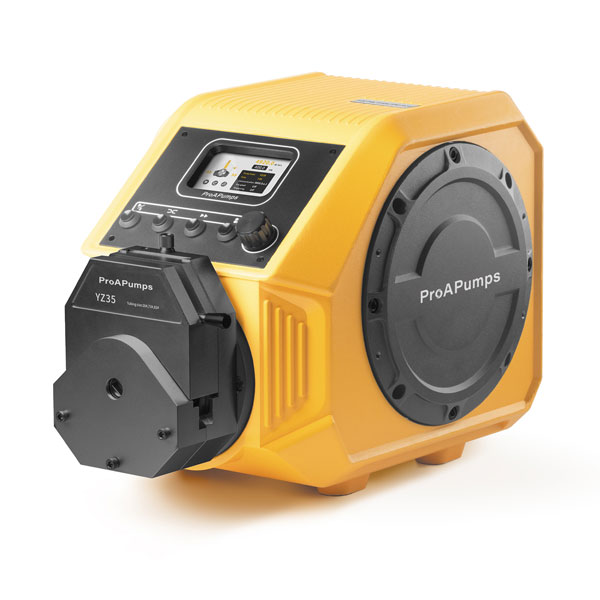
Learn more about our ATEX-certified peristaltic pumps designed for Zone 1 and Zone 21 hazardous environments.
Frequently Asked Questions about ATEX Ratings
ATEX is short for “ATmosphères EXplosibles,” a European Union directive that governs equipment used in explosive environments.
ATEX ratings classify equipment by explosion protection level, gas or dust group, temperature class, and the zone where it can be safely used. These ratings help maintain a hazard-free workplace by ensuring proper equipment is deployed in high-risk areas.
If your facility handles flammable gases, vapors, mists, or dusts, you may be legally required to use ATEX-certified equipment. This supports compliance and helps maintain a hazard-free workplace.
ATEX is a mandatory standard in the EU, while IECEx is a voluntary global certification system. Both ensure safety in explosive atmospheres.
Gas zones include Zone 0, 1, and 2; dust zones include Zone 20, 21, and 22. The zone indicates the frequency and duration of an explosive atmosphere.
ATEX markings are found on the equipment label, showing the zone category, temperature class, and gas/dust compatibility.
The significance of ATEX ratings lies in their role in preventing ignition risks and enforcing consistent safety standards across industries. They help meet both legal compliance and internal safety goals.
Not exactly. “Explosion-proof” is a general term, while ATEX certification refers to specific EU regulations that outline design, testing, and documentation requirements for safe operation in explosive atmospheres.
This ATEX code breaks down as follows:
Ex d = Flameproof enclosure
IIC = Gas group (hydrogen/acetylene—highest risk)
T6 = Max surface temp of 85°C
This code is part of how potential risks are mitigated through proper device classification.
Employers must assess explosion risks, train workers, implement zoning, and use ATEX-rated equipment. These safety precautions reduce the chance of ignition, especially in environments with flammable gases or dust.
ATEX-rated motors are classified by zone suitability (Zone 1, Zone 2, etc.), temperature class, and explosion protection method (e.g., Ex d, Ex e). Ratings ensure motors meet essential safety goals in explosive areas.
Resources
- IECEx Official Website – Global certification system for explosive atmospheres
- EU ATEX Directive 2014/34/EU
- UK HSE Guidance on ATEX
- Explosion-Proof Pump for Safe Transfer of Volatile Liquids in Biopharma, Chemical, and Food & Beverage Industries
